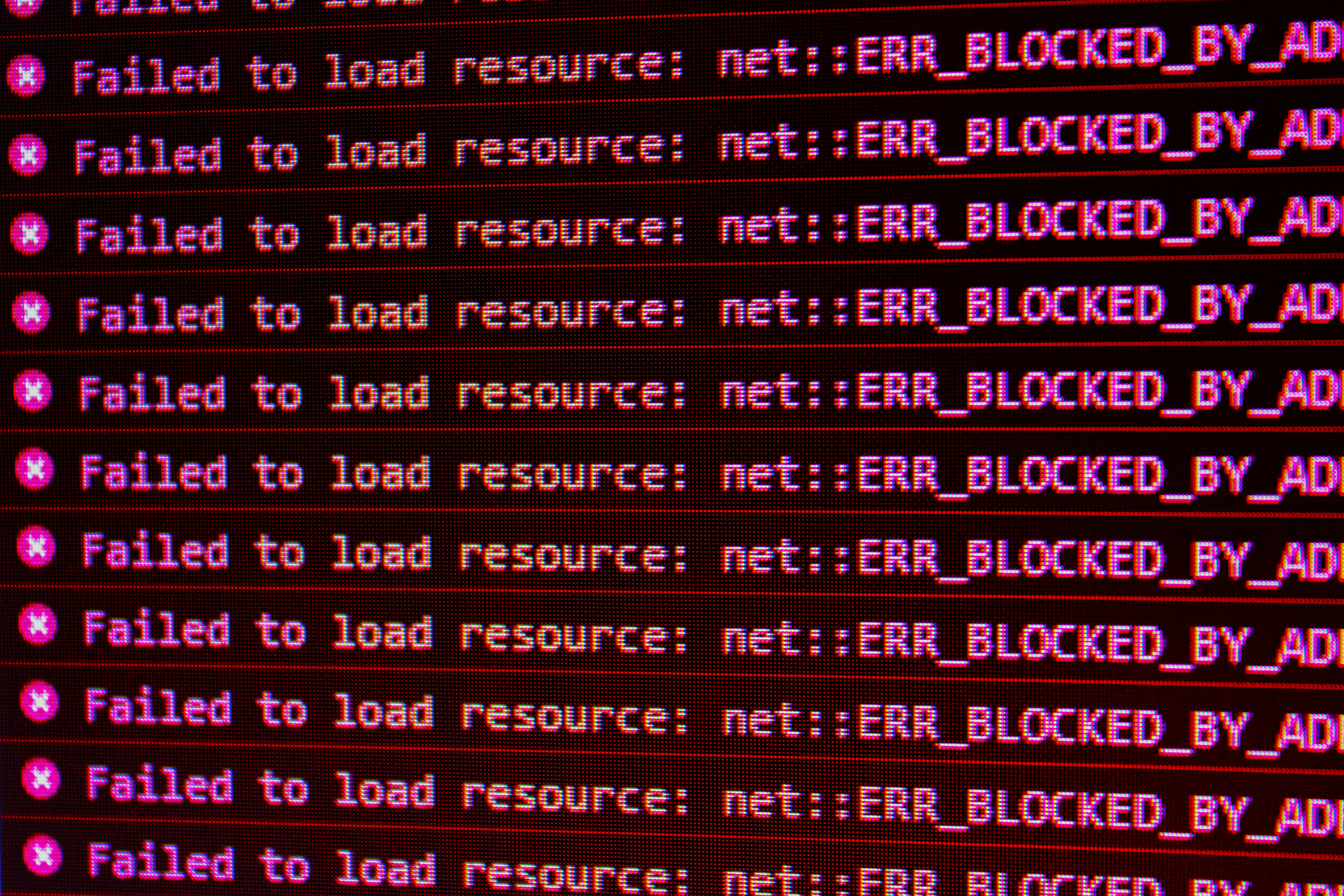
A client's business website began throwing a fatal PHP error on every page load. The first diagnosis pointed to a plausible but incorrect explanation: an Elementor core and Elementor Pro version mismatch. Deeper investigation revealed the actual cause. The site had been built using pirated ("nulled") copies of premium plugins, one of which was phoning out to an external server and had been used to inject hidden spam content. A backdoor file that allowed remote admin-account creation was also found in a backup.
The site was fully remediated: malicious content removed, backdoor confirmed absent from the live server, all plugins replaced with genuine licensed copies, credentials rotated, and monitoring put in place.
- The symptomEvery page returned a PHP fatal error, preceded by a warning about a missing
widgetTypekey in the page's saved Elementor data.Uncaught Error: Call to a member function get_default_args() on array - First hypothesis: a plugin version mismatchThe error pattern, a malformed element in
saved page data, fits an Elementor core and Elementor Pro version mismatch. That is a common,
well-documented failure, so I pursued it first as the most likely and lowest-risk explanation.
- Updating Elementor Pro failed with "update package not available".
- Elementor core and Elementor Pro were confirmed to be on mismatched versions.
- The Pro license was connected to an account with only a free subscription tier, even though Pro was installed and active.
- Narrowing the fault with controlled testsRather than assume a licensing fix would stop the crash, I ran more tests before recommending any purchase. I purged the site cache to rule out a cached page masking the real behaviour, then temporarily deactivated Elementor Pro entirely to see whether the crash was Pro-specific. It was not: the crash continued on one specific page whatever the state of Pro. That ruled out the version mismatch as the only cause and pointed to corrupted or malicious content in the page's own saved data.
- Escalating to direct server accessWith the fault isolated to specific saved content, and with the client's authorization, I inspected the site's files and database directly instead of continuing to infer from error messages.
- The root causeDirect inspection revealed three things:
- Hidden spam injection. Invisible links to third-party gambling sites had been inserted into the homepage content about six weeks earlier. Visitors could not see them, but search engines could crawl them, a classic SEO-spam technique that piggybacks on a compromised site's domain authority.
- A backdoor file in a server backup, able to create administrator accounts remotely. This is the kind of persistence mechanism used to get back in even after a compromise is partly cleaned up.
- Multiple pirated plugins, including a cracked copy of the premium page builder that faked its own license validation and loaded content from an external, unaffiliated domain. That was a strong sign the nulled plugin was the way the spam got in.
The cleanup covered:
- Removing the hidden spam content from the homepage.
- Confirming the backdoor file was not on the live server (it was only in an older backup).
- Running a full malware and security scan, which came back clean.
- Removing all pirated plugins and replacing them with the client's own genuine, licensed copies, and removing unused or orphaned plugins to reduce the attack surface.
- Installing a reputable security plugin under the client's own account, with alerts sent to their email.
- Rotating all site passwords and forcing other sessions and logins out.
- Changing the site's administrative contact email from the original developer's address to the client's own.
- Enforcing HTTPS site-wide and correcting locale and timezone settings.
- Bringing all plugins and WordPress core up to date and re-enabling automatic updates.
Recommended next steps:
- Turn on two-factor authentication for the site's admin login and the client's email account.
- Review Google Search Console for indexing damage or manual action flags from the spam period.
- Send a formal written inquiry to the original developer asking for an explanation of the pirated software, the backdoor file and the timeline of changes, keeping a record of the findings in case further action is needed.
What this case taught me:
- A plausible error message can hide a much more serious cause. The version-mismatch theory was reasonable and worth ruling out first, but stopping at a "good enough" explanation would have missed the compromise.
- Nulled plugins are a real attack vector, not just a licensing shortcut. One was actively phoning out to an external server.
- Backdoors can survive in backups after being removed from the live site, so historical backups are worth auditing too.
- Changing one thing at a time, confirming before spending money, and escalating to deeper tools only once the problem is well scoped is more reliable than jumping to the first fix that matches the symptoms.
Details in this write-up have been generalised to protect the client's identity and any third parties involved.